

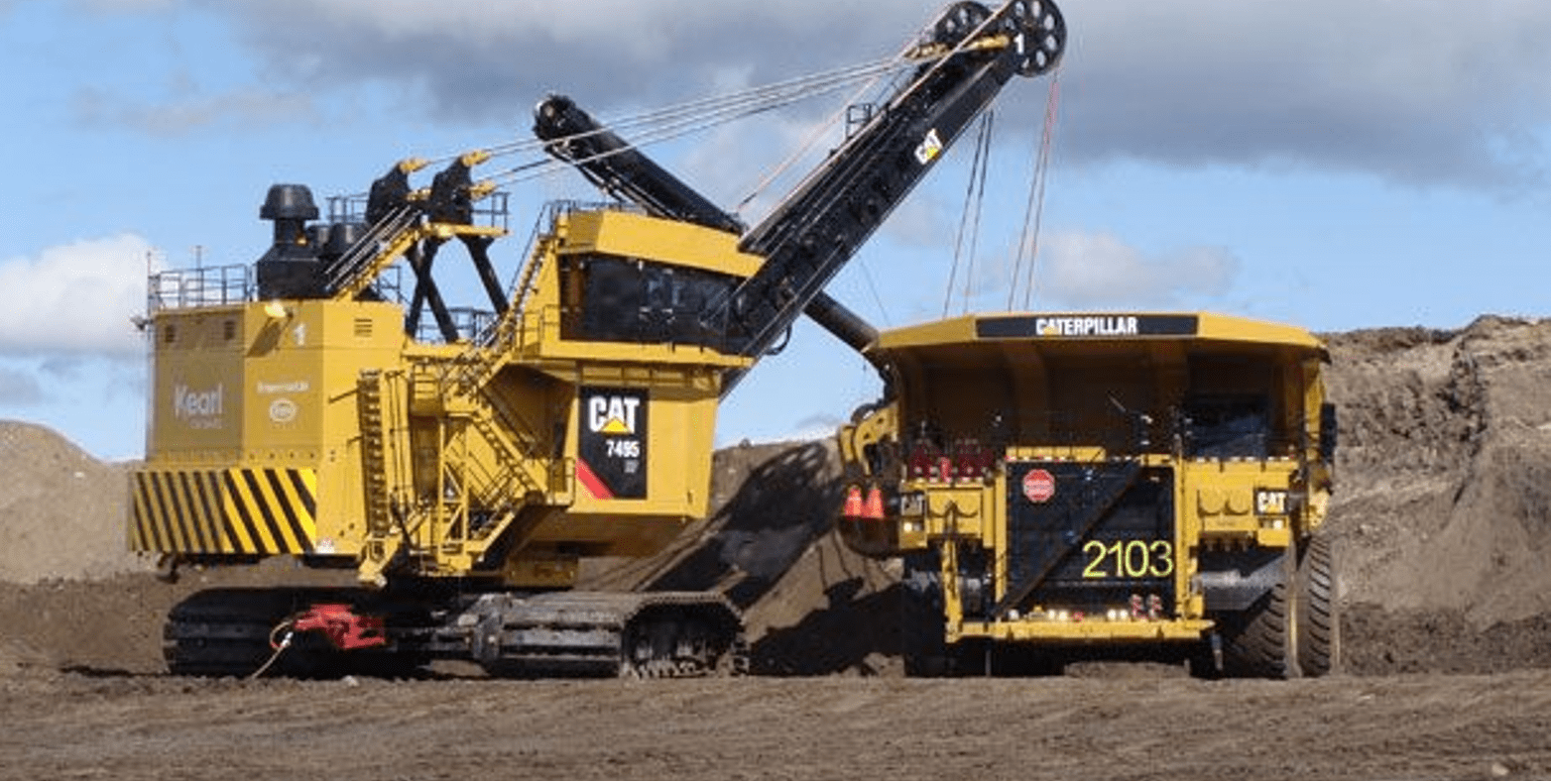
Heavy Equipment Operators are in high demand in Fort McMurray—now more than ever. From massive haul trucks powering through Oil Sands mines to precision-operated excavators and dozers shaping roads, pipelines, and infrastructure, these professionals are essential to Northern Alberta’s growth.
In Fort McMurray’s fast-paced construction and resource sectors, Heavy Equipment Operator (HEO) jobs offer stable, high-paying careers with long-term potential. Whether you're working on large-scale capital projects, maintenance turnarounds, or infrastructure builds, skilled operators are at the core of every successful site.
If you have a steady hand, a strong safety mindset, and a passion for operating complex machinery, a career as a Heavy Equipment Operator in Fort McMurray could be your pathway to consistent work, competitive wages, and high-impact contributions.
At FORT MCMURRAY LABOR SOURCE, we connect certified HEOs with top employers across the Oil Sands, civil construction, and industrial sectors. Read on to explore what it takes to succeed—and how we can help you find the right operator job in Fort McMurray today.
What Does a Heavy Equipment Operator Do?
Heavy Equipment Operators control large-scale machinery to perform critical tasks across a variety of projects. Their work involves precision, power, and a deep understanding of site dynamics. Depending on the project and company, the equipment they expertly handle may include:
- Haul Trucks (e.g., Cat 777, 785, Komatsu 930E): Used for moving massive volumes of earth, ore, overburden, or aggregate materials within mine sites and large construction areas.
- Bulldozers/Dozers (e.g., D8, D10, D11): Essential for land clearing, grading, spreading materials, and pushing earth or rock.
- Graders: Used for creating and maintaining flat surfaces, roads, and slopes with high precision.
- Excavators (e.g., 336, 349, PC490): Versatile machines for digging, trenching, demolition, and loading materials.
- Loaders (e.g., Wheel Loaders, Track Loaders): Used for scooping and loading materials (dirt, gravel, sand, ore) onto haul trucks or into hoppers.
- Skid Steers & Compactors: For smaller-scale earthmoving, material handling in tighter spaces, and compacting soil or asphalt.
- Articulated Dump Trucks (ADT): Flexible and versatile for moving materials across uneven or challenging terrain.
- Cranes: Specialized operators for lifting and placing heavy objects or components.
HEOs are instrumental in shaping the landscape, preparing sites for construction, maintaining operational efficiency, and ensuring the smooth flow of materials on diverse projects.
Where Are Heavy Equipment Operators Employed in Fort McMurray?
The demand for HEOs spans multiple thriving sectors within the Wood Buffalo region:
- Oil Sands Operations: This is a primary employer, with roles in open-pit mining (overburden removal, ore hauling), tailings management, haul road construction and maintenance, and various infrastructure development within the vast mine sites.
- Civil and Industrial Construction Sites: HEOs are crucial for site preparation, foundational work, and material movement for new plant expansions, commercial builds, and major industrial projects.
- Municipal Infrastructure Projects: The Regional Municipality of Wood Buffalo regularly undertakes projects for roads, utilities (water, sewer lines), land development, and public facility construction, all requiring skilled operators.
- Roadbuilding and Pipeline Companies: Operators are essential for linear construction projects, including highway upgrades, new road construction, and pipeline laying, ensuring efficient movement of goods and resources.
- Aggregate Quarries & Forestry: While less dominant than the Oil Sands, these sectors also employ HEOs for material extraction and land management.
Typical Responsibilities: Precision, Safety & Productivity
The role of an HEO goes far beyond just driving a machine. It requires a blend of technical skill, acute awareness, and strict adherence to safety protocols:
- Operate Machinery Efficiently and Safely: This is paramount. Operators must understand their equipment’s capabilities, operate within its limits, and navigate complex terrain and dynamic site conditions with precision and caution.
- Perform Daily Pre-Op Inspections: Before every shift, HEOs conduct thorough inspections of their equipment, checking fluid levels, tire pressure, lights, brakes, and identifying any maintenance needs. This proactive approach is critical for safety and preventing costly downtime.
- Follow Site Safety Protocols and Signal Instructions: Adherence to strict safety procedures, lockout/tagout protocols, and clear communication with ground crews, spotters, and other operators via hand signals or radio is non-negotiable.
- Load/Unload Materials or Assist Other Crews: Collaborating with other trades and teams, HEOs are responsible for loading materials onto trucks, moving components, or assisting with excavations and grading as required by project needs.
- Keep Production Moving on Schedule: Efficient operation directly impacts project timelines. HEOs play a key role in maintaining productivity targets, minimizing delays, and contributing to the overall success of the project.
- Basic Troubleshooting & Minor Adjustments: Identifying and reporting minor mechanical issues, and sometimes performing basic field adjustments, is also part of the role.
Skills & Certifications You’ll Need to Get Started
To succeed as a Heavy Equipment Operator in Fort McMurray, a specific set of skills and certifications is essential:
- Valid Driver’s License: A Class 5 driver's license is a minimum. Many roles, especially for hauling larger equipment or commercial vehicles, will require a Class 3 or Class 1 license with an air brake endorsement.
- Equipment-Specific Experience or Certification: Proven experience on the specific types of equipment (e.g., Loader, Excavator, Dozer) is crucial. Formal training from recognized heavy equipment operator schools or apprenticeship programs is highly valued.
- Core Safety Certifications: These are non-negotiable for site access. Essential tickets include:
- CSO (Common Safety Orientation) or CSTS (Construction Safety Training System)
- First Aid & CPR
- H2S Alive (especially for Oil Sands sites)
- WHMIS (Workplace Hazardous Materials Information System)
- Ground Disturbance and Confined Space Entry (often required for specific tasks)
- Fall Protection (if operating equipment near edges or heights)
- Physical Stamina & Focus: The job requires physical endurance, good hand-eye coordination, depth perception, and the ability to maintain focus for long shifts in various conditions.
- Strong Communication: Clear communication with ground crews, supervisors, and other operators is vital for safety and efficiency.
- Spatial Awareness & Mechanical Aptitude: Understanding your machine's dimensions in relation to its surroundings and having a basic grasp of mechanical systems are beneficial.
Wages & Work Conditions: Rewards and Realities
A career as an HEO in Fort McMurray offers significant rewards, but also requires an understanding of the working conditions:
- Wages: Expect highly competitive wages, typically ranging from $34–$48/hour, depending on the specific equipment operated (e.g., specialized crane operators may earn more), the sector (industrial vs. civil), union affiliation, and shift structure. Comprehensive benefits packages (health, dental, pension) are often included.
- Schedules: Rotational schedules are common, such as 14 days on / 7 days off, or 21 days on / 7 days off. Many roles include camp accommodations for those periods, covering living expenses while on shift. Local placement options are also available for those residing in Fort McMurray.
- Worksite Conditions: Operators work primarily outdoors, meaning exposure to variable weather conditions (extreme heat, cold, snow), dust, noise, and vibrations. Sites often operate 24/7, requiring shift work (days and nights).
- Personal Protective Equipment (PPE): Strict adherence to PPE is mandatory, including steel-toe boots, hi-visibility clothing, hard hats, safety glasses, and hearing protection.
Why It’s a Great Role in Fort McMurray for You
- High, Consistent Demand: The Oil Sands industry's long-term operations, coupled with ongoing regional infrastructure development, ensure a steady and strong demand for skilled HEOs.
- Well-Established Safety Culture: Fort McMurray's industrial sites are known for their rigorous safety standards, providing a secure working environment where safety is prioritized.
- Opportunities for Advancement: Operators can specialize in certain equipment, move to larger or more complex machinery, or progress into supervisory roles like Lead Operator or Foreman.
- Stable Year-Round Projects: Unlike some seasonal construction roles, many HEO positions in Fort McMurray offer stable, year-round employment.
- Fly-In/Fly-Out (FIFO) Options: For those who prefer to reside outside Fort McMurray, many roles offer FIFO arrangements, making it convenient to access high-paying jobs while maintaining a home elsewhere.
Take Control of Your Operator Career
FORT MCMURRAY LABOR SOURCE is Northern Alberta’s leading staffing agency for heavy equipment professionals. We specialize in connecting experienced operators with top employers across Oil Sands, civil construction, and infrastructure projects—many of which are not publicly advertised.
When you upload your resume, our recruiters match your experience with the right equipment (haul trucks, dozers, graders, excavators, loaders, and more) and the projects that need site-ready operators immediately. Whether you're seeking rotational FIFO work, local placements, or an opportunity to operate high-tonnage equipment, we’ll help get you there.
- Get placed on projects with long-term potential and industry-leading safety standards
- Access roles faster with our inside knowledge of employer requirements
- Boost your earnings with high-paying roles aligned with your certifications
- Join a network trusted by top general contractors and site managers